
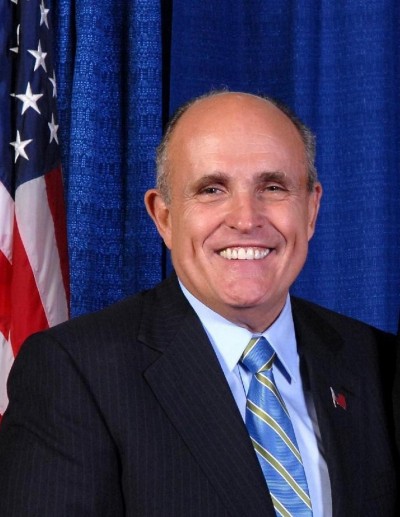
Here is Giuliani’s discussion of the matter in the interview:
It’s a First Amendment issue, right? It isn’t stolen property. I mean, it is stolen property, but it has a different nature when it’s information. So, let’s take the Pentagon Papers. The Pentagon Papers were stolen property, weren’t they? They were stolen from the Pentagon — given to the New York Times and the Washington Post. Nobody went to jail in the New York Times and the Washington Post. We’ve had revelations during the [George W.] Bush administration — Abu Ghraib, all of that. It’s stolen property, taken from the government against the law. Once it gets to a media publication, they can publish it. They can publish it for the purpose of informing people. You can’t put Assange in a different position than that. He was a guy that communicated. We may not like what he communicates, but he was a media facility, he was putting that information out. Every newspaper, station grabbed it and published it.Watch Giuliani’s complete interview here.
Giuliani’s reasoning in the interview is similar to the reasoning New York Times Deputy General Counsel David McCraw offered when he told judges at the US Ninth Circuit’s annual judicial conference in July that he thought Assange is “sort of in a classic publisher’s position” and that “the law would have a very hard time drawing a distinction between The New York Times and WikiLeaks.”
Hopefully, the president will hear this sound, liberty-advancing reasoning, whether from Giuliani or someone else, and make a public and binding assurance that the US government will not seek the arrest, prosecution, or punishment of Assange.
*
Note to readers: please click the share buttons above. Forward this article to your email lists. Crosspost on your blog site, internet forums. etc.
The original source of this article is The Ron Paul Institute for Peace and Prosperity
Copyright © Adam Dick, The Ron Paul Institute for Peace and Prosperity, 2019

