Venezuelan subsoil resources have belonged to Venezuela since Bolívar decreed it in 1829.
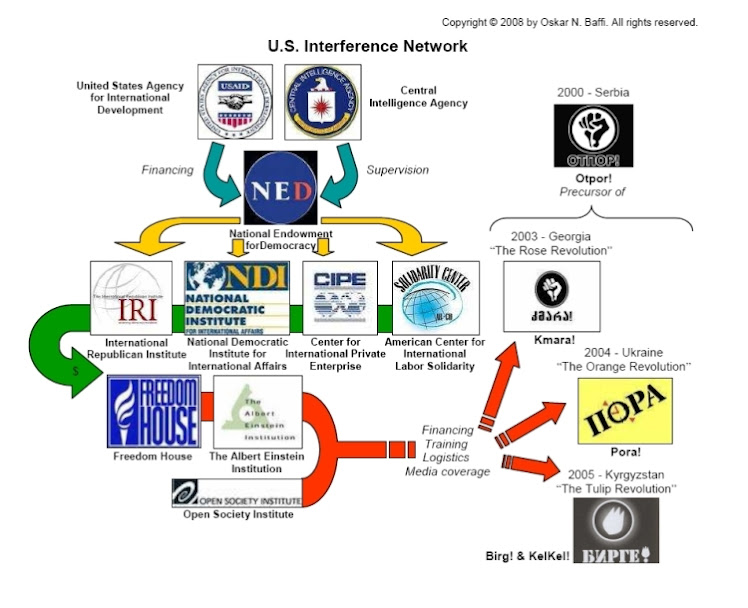
US companies held licenses to extract, not ownership. From 1917 to 1936, American and British corporations extracted $1.2 billion worth of Venezuelan oil. Venezuela received $90 million. For every 100 barrels pulled from Venezuelan ground, Venezuela was paid for one. Call it "lawful commerce" if you like. It was plunder with paperwork, and the paperwork was written by the plunderers. Dictator Juan Vicente Gómez, who took power in a 1908 coup backed by Washington, literally told American oil executives: "You know about oil. You write the laws." So foreign oil companies drafted Venezuelan petroleum legislation. For themselves. By themselves. When a Venezuelan minister tried to negotiate better terms for his own country, the oil companies went straight to the dictator. The minister was out within a year. The customs exemptions these companies received actually exceeded what they paid in extraction taxes. Venezuela was not only being robbed. It was subsidizing the robbery. Then Venezuela committed the only unforgivable sin in the imperial catechism. It asked for its resources back. In 1948, a democratic government established the fifty-fifty principle. Venezuela would finally receive half the value of its own oil. Within months, a military coup. Washington recognized the junta immediately. The new dictator, Pérez Jiménez, earned Eisenhower's Legion of Merit in 1954 for his "anti-communist attitudes." His torture chief got meetings with both Dulles brothers and J. Edgar Hoover. Two years later: new oil concessions. This is how it works. Sovereignty is punished. Selling out your people is rewarded. In 1976, Venezuela finally nationalized its oil industry. And here is the detail the cable-news patriots "forget" to mention: Venezuela paid for it. $5.6 billion in compensation, down to the last screw. Every major American company accepted. Their concessions were expiring in 1983 anyway; under Venezuelan law they would have received nothing. They took billions early and walked away. But empire never forgets a lesson taught to it in public. In the late 1980s and 1990s, under IMF pressure, Venezuela's corrupt elite reopened the doors. Oil giveaway: royalties slashed from 16% to 1%, worse than under Gómez. The state's share of revenues dropped from 71% to 36%. That is the neoliberal bargain in plain language. One-percent royalties for corporations. Bullets for the people. Then Chávez was elected and said: enough. Royalties back to 30 percent. Majority state ownership required. Five days before the 2002 coup against him, a CIA memo: "Venezuela: Conditions for a Coup are Ripening." The NED had already funneled millions to participants. Hours after Chávez was overthrown, the White House endorsed the new government. The coup failed. Chávez survived. Most oil companies accepted the new terms. Chevron is still there today. ExxonMobil and ConocoPhillips refused, went to arbitration, won awards for billions of dollars. Let's talk about what those awards actually represent. They do not exist in a world where this was "theft." Arbitration is for contract disputes, not robbery. The legal process itself demolishes the theft narrative. But here's what the awards really are: the legal architecture of extraction demanding its due. International arbitration tribunals exist to enforce the rights of global capital against sovereign states. They are the judicial arm of the same system that wrote Venezuela's laws in the 1920s. The referee works for the other team. And Venezuela cannot pay, even if it wanted to. The United States made sure of it. They sanctioned Venezuela's oil industry, the only source of revenue to pay the awards. Froze assets. Stole CITGO. Blocked access to international banking. Made it illegal for tankers to carry Venezuelan crude. Threatened secondary sanctions against anyone who trades with Caracas. You cannot sanction a country out of the global financial system and then demand it wire you $10 billion. And it was done on purpose. Sanction them until they collapse. Point to the unpaid debts. Call them thieves. Seize what remains. The award is not meant to be paid. It is meant to justify the next phase of plunder, starting with Citgo, Venezuela's US refinery network, already on the auction block to satisfy creditors. Cut a man's legs off, then mock the way he walks. That was the move. Now Trump demands Venezuela "return" oil fields that were never American property. The country that extracted hundreds of billions over a century, bribed dictators, drafted its own laws, backed coups, armed torturers, and sanctioned a population into starvation now claims to be the victim. Projection at civilizational scale.